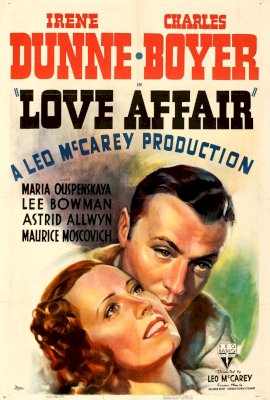
Lovely Connecticut-born blonde Astrid Allwyn, with her foreign-sounding
name and icy countenance, spruced up a number of 1930s and early 1940s
films. Of Swedish descent, she studied dancing and dramatics in New
York and later gathered experience joining a stock company. Allwyn made
her Broadway debut in 1929 in
Elmer Rice's "Street Scene" and, on
the strength of her second play "Once in a Lifetime," was brought to
Hollywood in 1932.
With the help of the Greta Garbo craze, the
chic, heart-shaped faced beauty managed to parlayed her placid
Scandinavian allure into a film career. She made her debut supporting
Constance Bennett in the
romantic comedy
Lady with a Past (1932) and
continued to charm then harm as the "other woman" opposite many of the
big male stars of the day --
Humphrey Bogart in
Love Affair (1932),
Lee Tracy in
The Night Mayor (1932),
James R. Murray in
Bachelor Mother (1932),
Lionel Atwill in
Beggars in Ermine (1934),
Lew Ayres in
Servants' Entrance (1934),
John Boles in
The White Parade (1934),
Spencer Tracy in
It's a Small World (1935),
Herbert Marshall in
Accent on Youth (1935),
Henry Fonda in
Way Down East (1935),
Fred MacMurray in
Liebe im Handumdrehen (1935),
Fred Astaire in
Marine gegen Liebeskummer (1936),
William Gargan in
Flying Hostess (1936),
James Dunn in
Venus Makes Trouble (1937),
Alan Baxter in
It Could Happen to You (1937),
Preston Foster in
The Westland Case (1937),
Bruce Cabot in
Love Takes Flight (1937),
Robert Young in
Miracles for Sale (1939) and
Richard Dix in
Reno (1939).
Rarely placed in the leading lady position, Astrid was given few
front-tier assignments aside from
Edgar Wallace: Das mysteriöse Schiff (1934),
International Crime (1938)
and as the lady reporter opposite
John Archer's cop in the crimer
City of Missing Girls (1941).
She is probably better remembered for her support roles in the
Charles Boyer/Irene Dunne
tearjerker Ruhelose Liebe (1939), as the
scheming, predatory daughter of Senator
Claude Rains who focuses her sights on
James Stewart in the
Frank Capra classic
Mr. Smith geht nach Washington (1939)
and as a barfly in
No Hands on the Clock (1941).
After filming
Hit Parade of 1943 (1943),
Astrid made a decision to retire so she could focus on family and raising
children. Briefly married to first husband/actor
Robert Kent, the couple appeared
together in the Shirley Temple vehicle
Dimples (1936) and Astrid went on to
provide her customary chilly demeanor to little Miss Temple later again
in Sonnenscheinchen (1936). Married a second
time in 1941 to businessman Charles O. Fee, a union that lasted until
her death, they had two children --
Melinda O. Fee and
Vicki Fee, both of whom became actresses.
Astrid died of cancer in 1978 at age 72, and was interred at Forest
Lawn Glendale, Court of Freedom, #955.